
Blog · August 2026
The glaciers, while they are here
Iceland held a funeral for its first lost glacier. The rest are still here, close to the road, and worth crossing an ocean for.
In August 2019 Iceland held a funeral. About a hundred people walked up the slopes of Ok, in the west of the country, to fix a plaque where the glacier Okjökull used to be: the first Icelandic glacier lost to a warming climate. The plaque is titled A letter to the future, and it says plainly that the rest of our glaciers are expected to follow within two hundred years.
That is one way to say what makes Iceland unusual. Glaciers are retreating on every continent, and nowhere else is the ice this easy to reach while it lasts. The outlet glaciers of Vatnajökull, Europe's largest ice cap, come down nearly to the ring road. You can leave the car, walk a short trail with a guide, and stand on ice that has been moving since the age of settlement. Each winter the glaciers open caves of blue ice that exist for a single season, melt in spring, and form somewhere new the next year.
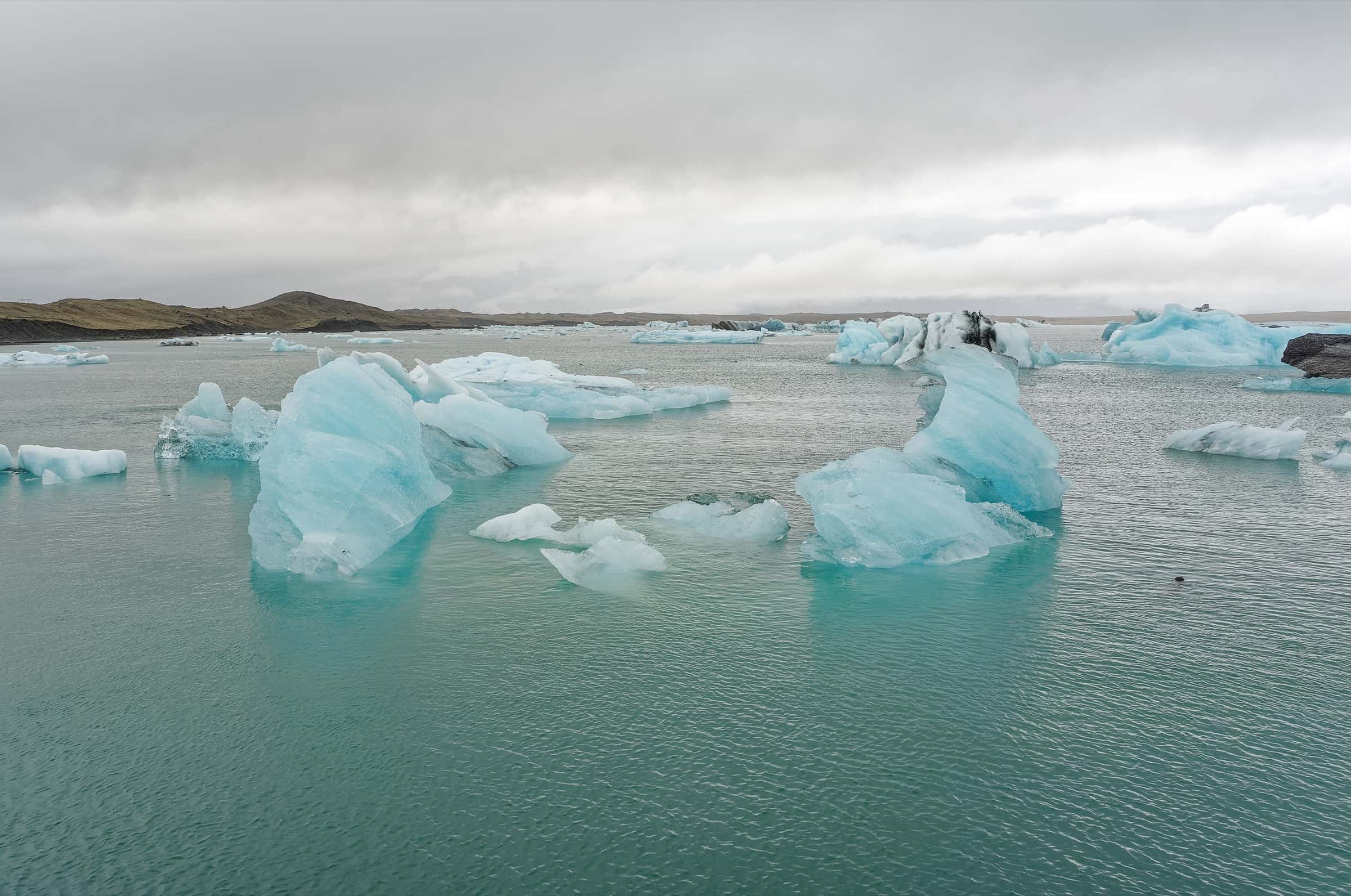
Hildur, our founder, worked as a geologist before she designed journeys, and it shows in how glacier days are planned here: the right outlet glacier for the season, a certified local guide, and enough unhurried time for the scale to sink in. Jökulsárlón, where the icebergs drift out to sea, deserves its hour when the buses are elsewhere, and we plan for that hour.
We will not dress the retreat up as an attraction. It is a loss, and travelling to see ice carries the obligations we describe on our About page: small scale, local guides, realistic pacing. But standing on a glacier changes how people think about them, and nobody we have travelled with has come back from the ice indifferent.
Sources: Smithsonian on the Okjökull memorial
Curious what this looks like as your journey?
Tell us your dates, your party and what draws you north. We reply personally, and honestly.
Plan your journey